
A small faculty, a rotating set of guest clinicians, and a curriculum that gets reviewed by people who are willing to tell us it is wrong.
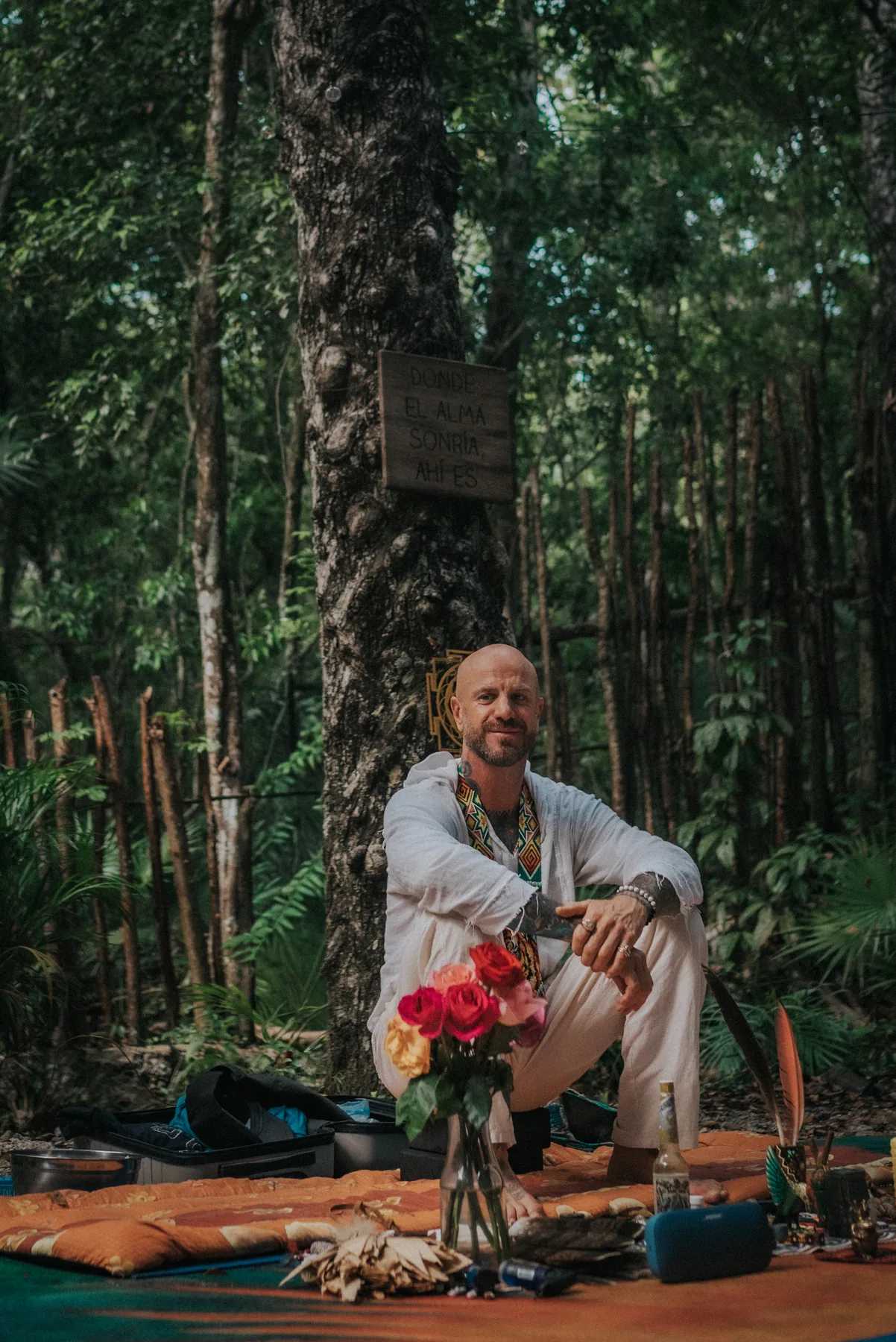
Blaine has worked in this field since 2016 and founded Tiger Soul out of his own recovery. He teaches the ethics module and the integration sequence, and he sets the standard the Academy is held to.
He is also the person most likely to tell an applicant that this is not the right moment for them, which is the part of the job that matters most.
Physiology, cardiovascular screening, medication interactions, and the referral threshold. Taught by a practising clinician, not by us.
Trauma-informed practice, referral thresholds, and the difference between an integration difficulty and a clinical presentation.
Where these practices came from, what carrying them has cost, and what reciprocity has to look like to mean anything. Paid at professional rates.
There is no licensing body for this field. In the absence of one, the least we can do is publish our own standard and let people hold us to it.
The evidence base here is small. Where the literature is thin or contested, we say so in class and in the library rather than rounding it up to certainty.
The person assessing whether you should be here is not the person whose income depends on your answer.
No email gate, no funnel. Information that keeps people safe should not sit behind a purchase.
An assessment that nobody fails is a receipt. Ours is not.
The Academy is an education provider. It is not a licensing body, not a medical institution, and not a regulator. Our certificates say exactly that.
We are always looking for clinicians, researchers, and traditional teachers willing to bring real expertise into the room, including expertise that contradicts ours.